What are Knowledge Graphs?
Quick summary of Knowledge Graphs
Knowledge Graphs
Detailed Explanation of Knowledge Graphs
Introduction
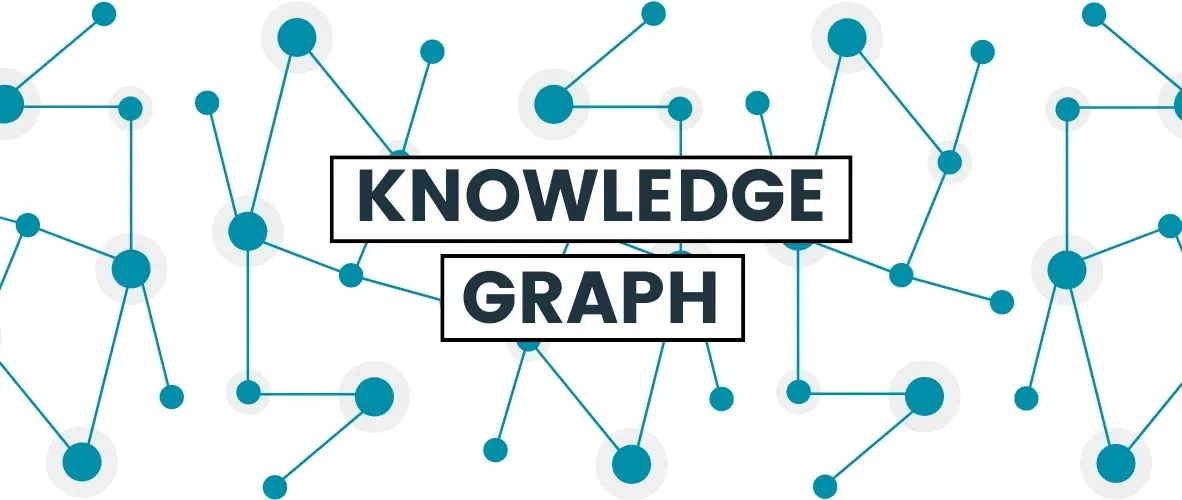
A knowledge graph is a structured representation of information where data is modeled as entities (nodes) and relationships (edges). Unlike traditional databases that store information in isolated tables, a knowledge graph captures context and meaning by explicitly connecting concepts. This enables machines to perform reasoning, inference, semantic search, and context-aware decision-making. Knowledge graphs are widely used in search engines, recommendation systems, enterprise data platforms, compliance systems, and retrieval-augmented generation (RAG) pipelines.
What Is a Knowledge Graph?
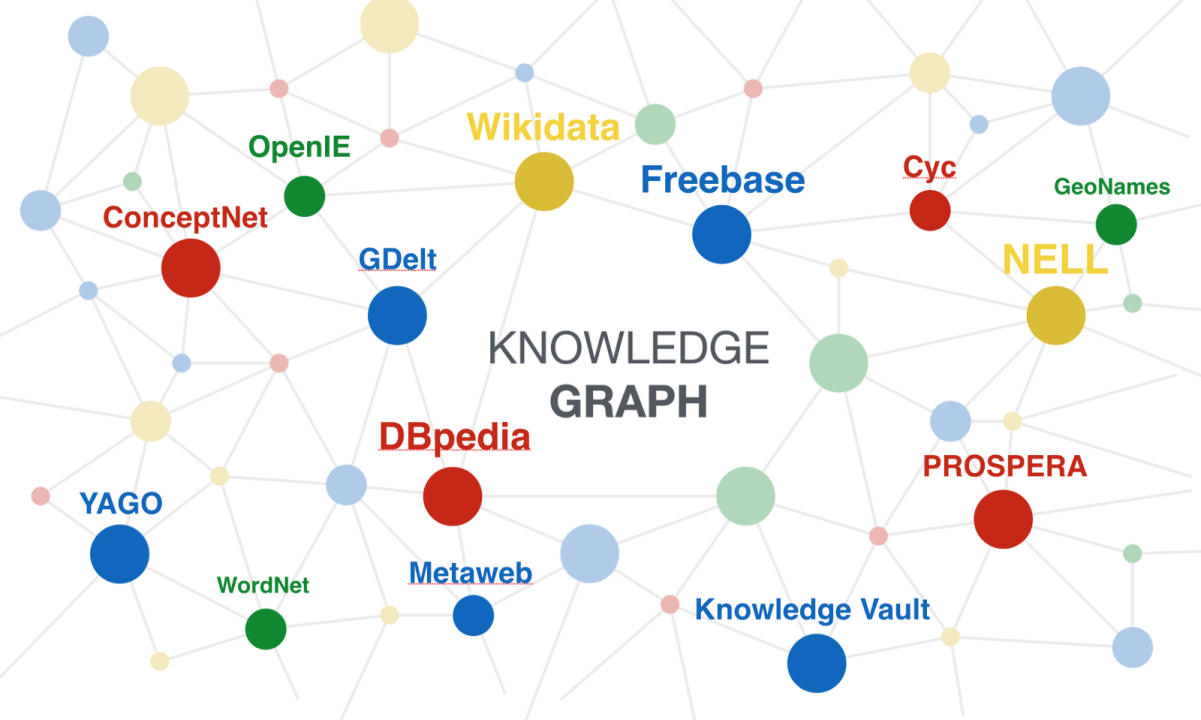
A knowledge graph is composed of three primary components:
-
Entities (nodes) that represent real-world objects or concepts
-
Relationships (edges) that connect those objects
-
Properties (attributes) that describe nodes or edges
Example representation: [Person] --works_at--> [Company] [Company] --located_in--> [Country] [Person] --skills--> [Machine Learning]
This graph structure allows systems to store not just facts, but the meaning and connections between facts.
Why Knowledge Graphs Are Important
Knowledge graphs address limitations in traditional databases. They:
-
Preserve relationships between data instead of flattening them
-
Provide flexibility to evolve the schema over time
-
Enable reasoning over connected information
-
Allow for semantic search instead of keyword-based lookup
-
Connect structured and unstructured data under one unified model
-
Improve explainability by showing the exact path behind every answer or insight
This makes them extremely useful in domains where relationships matter, such as fraud detection, regulatory compliance, supply chain systems, and enterprise intelligence.
Core Components
Entities
Entities represent objects like people, products, companies, documents, or abstract concepts. Each entity has attributes such as name, type, or identifier.
Relationships
Relationships connect entities and describe how they interact. Examples include:
-
works_at
-
owns
-
filed
-
references
-
belongs_to Relationships may also have properties, such as
...
Sign in to explore stories
Join Mindloop to read unlimited stories, write your own, and connect with writers.