What is MCP
Model Context Protocol
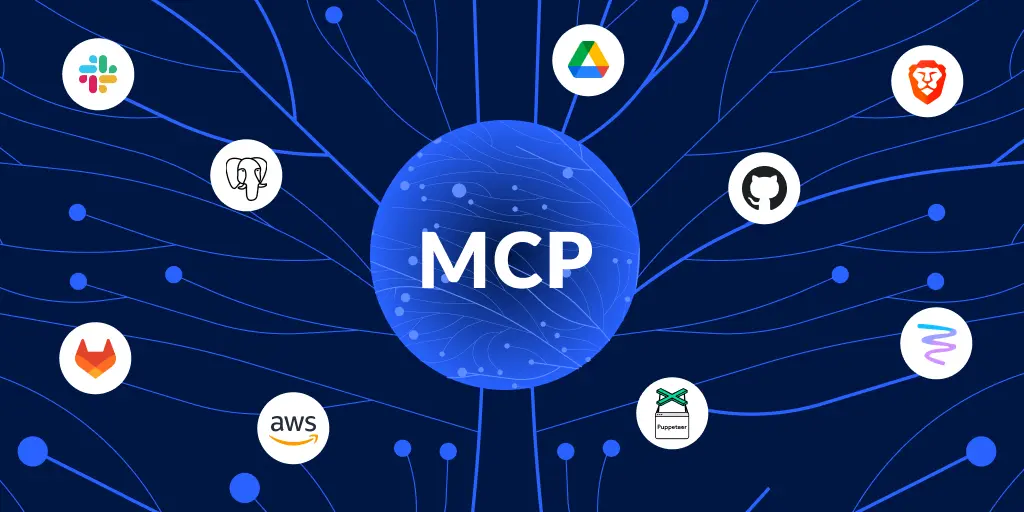
Here it comes
Understanding the Model Context Protocol (MCP)
The Model Context Protocol (MCP) is a new standard designed to make AI models more capable, extensible, and reliable by giving them structured access to tools, data, and context. Instead of treating LLMs as isolated text generators, MCP turns them into fully integrated components that can interact with external systems in a predictable way.
MCP provides a unified protocol that models and clients can both implement, allowing seamless communication between LLMs, APIs, databases, file systems, and other tools.
What Is MCP?
The Model Context Protocol is a framework that defines how AI models can:
- Access external tools in a controlled way
- Retrieve relevant context or structured data
- Execute functions, queries, or commands
- Communicate using a consistent message format
- Maintain reproducibility and safety across environments
MCP standardizes interactions between LLMs and the outside world, similar to how HTTP standardizes communication between web clients and servers.
Why MCP Matters
Without MCP, AI tools rely on ad-hoc integrations, custom APIs, or inconsistent plugin designs. MCP solves these issues by offering:
- A universal way to connect models to tools
- Strict separation between model logic and environment
- Reproducible and portable execution
- Improved safety and auditability
- Vendor-neutral interoperability
This lets teams build AI systems that are both powerful and maintainable.
How MCP Works
MCP defines structured messages that flow between the model and the environment. These messages include:
-
Calls Th
...
Sign in to explore stories
Join Mindloop to read unlimited stories, write your own, and connect with writers.