What is RAG?
Retrieval Augmented Generation
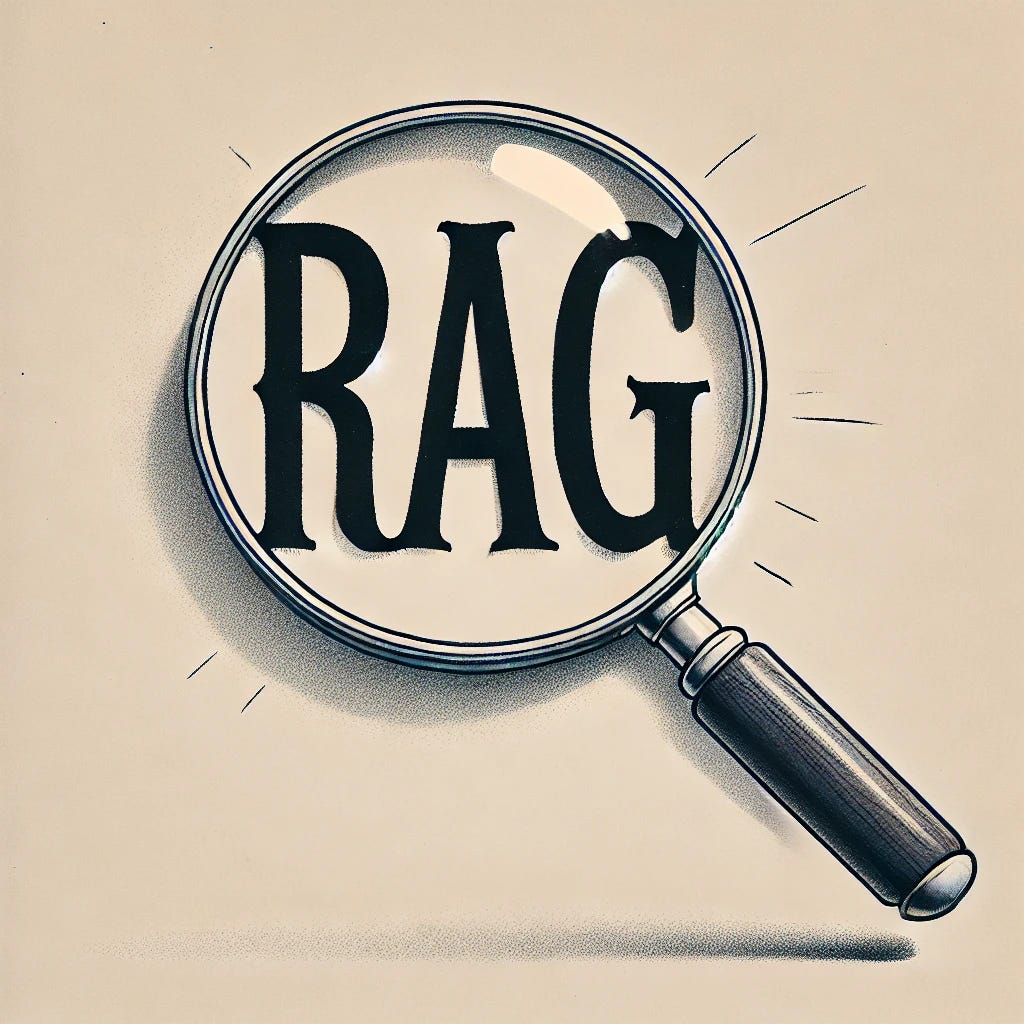
RAG - A practical Guide
Retrieval-Augmented Generation (RAG): A Practical Guide
Large Language Models (LLMs) are powerful, but they often hallucinate, lack domain-specific knowledge, and cannot access updated information. Retrieval-Augmented Generation (RAG) solves these problems by combining LLM reasoning with external knowledge retrieval.
RAG is now the backbone of many enterprise AI systems, internal knowledge assistants, and search-driven chatbots.
What Is RAG?
Retrieval-Augmented Generation (RAG) is an architecture where an LLM retrieves relevant information from an external knowledge base before generating an answer.
Instead of relying only on parameters, the model grounds its responses in actual documents.
Why Use RAG?
LLMs alone struggle with:
- Hallucinations
- Outdated knowledge
- Inaccurate domain-specific answers
- Compliance and traceability issues
- Long-context reasoning limitations
RAG fixes these by injecting correct retrieved context into the prompt.
How RAG Works
- User sends a query.
- Retriever finds relevant documents or text chunks.
- The system builds a co
...
Sign in to explore stories
Join Mindloop to read unlimited stories, write your own, and connect with writers.